
Winter weather can do real damage to outdoor furniture. Moisture, cold temperatures, and prolonged exposure cause rust, mould, warping, and cracking. All of which shorten the lifespan of pieces you’ve spent good money on. The right preparation depends on the material, but a few simple steps applied before the cold sets in will keep everything in good shape for winter.
Here’s what you need to know about storing and protecting outdoor furniture for winter, with specific guidance for the most common materials.
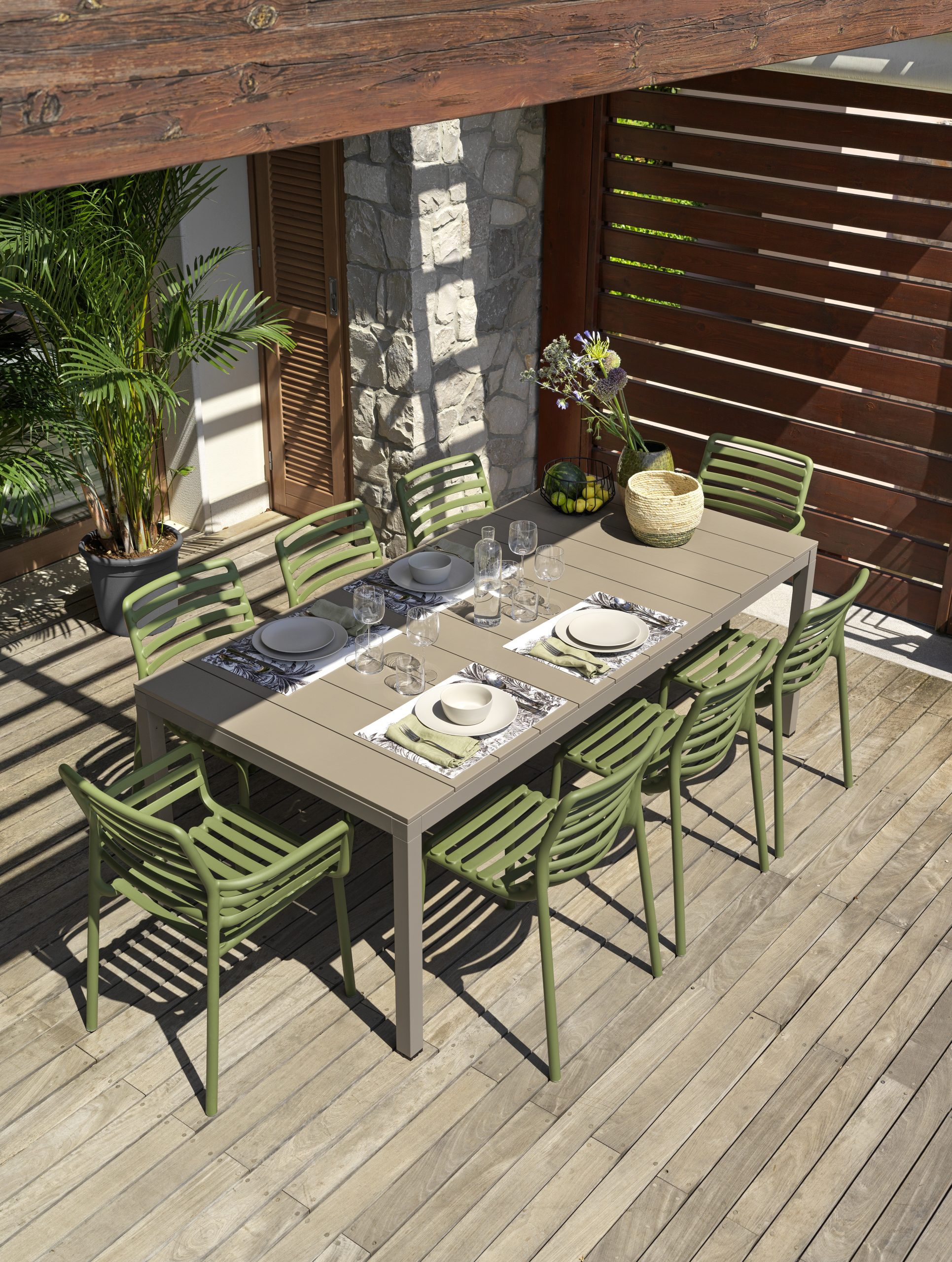
Why Winter Protection Matters
Neglecting outdoor furniture over the winter can lead to problems that are often irreversible. Metal frames can corrode, some timbers swell and crack, cushion foam can develop mildew, and some plastics can become brittle. Even furniture designed for outdoor use benefits from some level of seasonal care.
Protecting your furniture also preserves your warranty. Damage caused by neglect, including corrosion, mildew, and UV degradation, is typically excluded from manufacturer warranties, including those covering powder-coated aluminium frames and synthetic wicker.
Can I Leave My Outdoor Furniture Outside in the Winter?
Whether you can leave your outdoor furniture outside in the winter depends on the material. Some pieces handle year-round exposure well with minimal intervention. Others need covers, treatments, or full indoor storage to make it through undamaged.
As a general guide:
- Powder-coated aluminium frames are among the most winter-hardy options and typically only need a quality cover.
- Teak and hardwood timber can stay outside with oiling and a breathable cover.
- Synthetic wicker handles the elements reasonably well but should be covered and kept away from sustained moisture where possible.
- Natural wicker should be brought indoors; it does not tolerate damp and cold.
- Cushions and fabric accessories will have an extended lifespan if you store them inside over winter
Choosing furniture built for Australian outdoor conditions from the outset makes winter care significantly easier. Browse our full range at Daydream Leisure Furniture for pieces designed with durability and low maintenance in mind.
Can Wooden Furniture Be Left Outside in Winter?
Wooden outdoor furniture can be left outside in winter, but only if it has been properly treated. Some untreated timbers may absorb moisture, causing swelling, warping, and cracking. Left unchecked, timber furniture can also develop mould and can become a target for pests.
The most important step is applying a quality timber oil or sealant before winter arrives. A product like our Kasule Kwila oil, available through our cleaners and oils range, penetrates the surface and protects the timber without cracking or peeling. Once treated, cover the furniture with a breathable cover that allows airflow while blocking rain.
Store wooden furniture in a sheltered spot, under a pergola, in a garage, or against a protected wall.
Can Teak Furniture Be Left Outside in the Winter?
Yes. Teak is one of the most weather-resistant timbers available. Its natural oil content repels water and resists decay, making it well suited to year-round outdoor use without the level of maintenance required by other timber species.
That said, leaving teak completely untreated over winter will accelerate the natural silvering process. If you want to maintain the original warm tone, oil the furniture before winter and cover it when not in use.
A breathable cover protects against debris and heavy rain while still allowing airflow to prevent moisture build-up underneath.
Can You Leave Wicker Furniture Outside in the Winter?
The answer depends on whether your wicker is natural or synthetic.
Natural wicker should not be left outside over winter. It absorbs moisture readily, which causes the fibres to swell, split, and break down. Bring natural wicker indoors before the cold and damp set in.
Synthetic wicker is a different matter. Quality PE wicker, like the UV-resistant HDPE wicker used across our furniture range, is designed to handle moisture, UV exposure, and outdoor weathering. It will not experience the accelerated breakdown that natural wicker alternatives do.
Even so, it pays to take a few precautions:
- Cover synthetic wicker furniture with a breathable, waterproof cover.
- Secure covers well
- Remove and store cushions indoors. This will extend the life of your cushions
Tips for Metal and Plastic Furniture
Metal furniture: Varies in its winter resilience depending on the material. Aluminium is one of the best options; it doesn’t rust and holds up well against moisture and salt air with minimal upkeep. Steel is more vulnerable and benefits from a fresh coat of protective sealant or paint before winter to guard against surface corrosion.
For both, clean with a mild soap solution before covering, avoid abrasive chemicals that strip finishes, and use a fitted cover when pieces aren’t in use.
Plastic and resin furniture: Storing plastic pieces indoors over winter is always a good idea if you are not using them during the colder months. But generally, plastic and resin furniture will withstand the colder months.
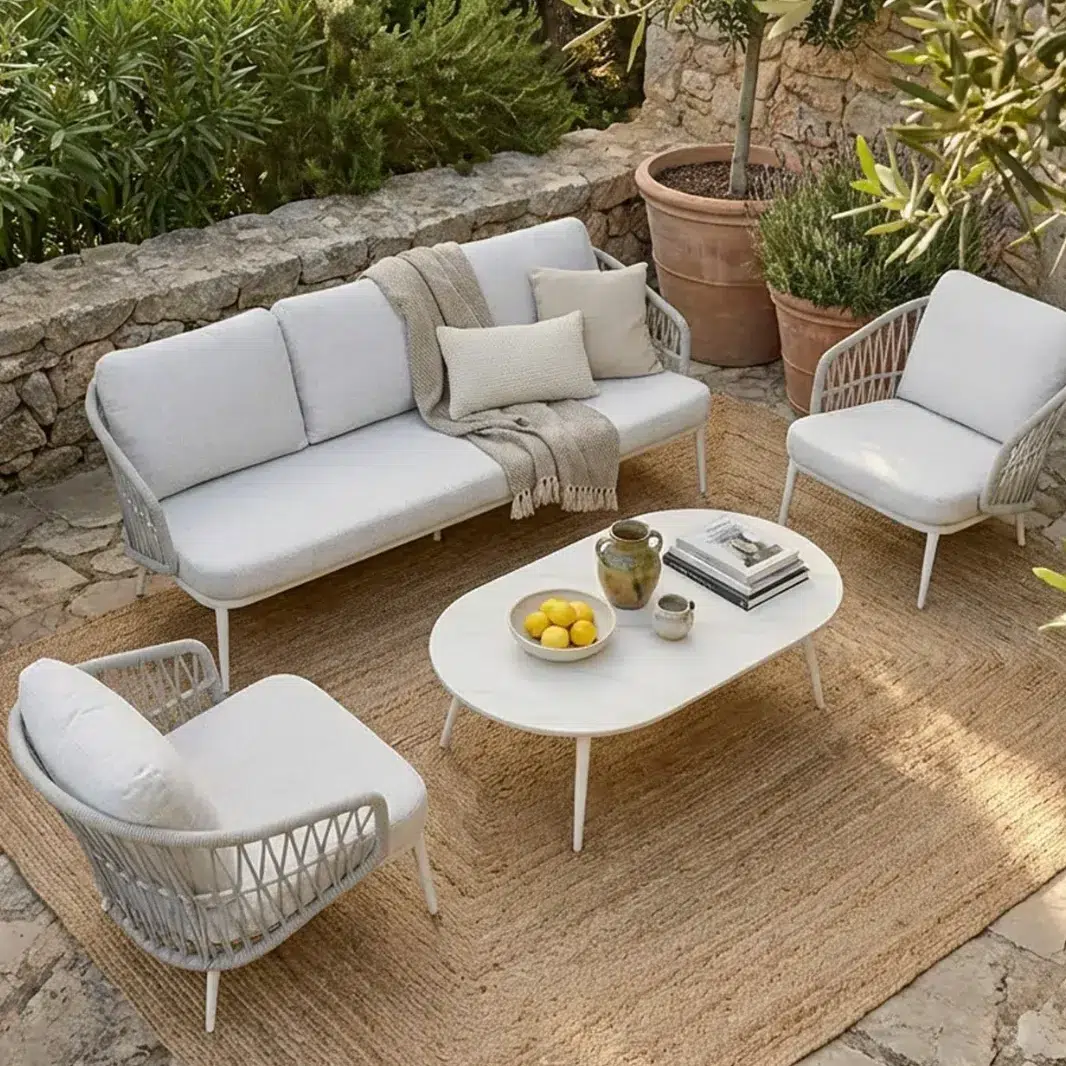
Storing Outdoor Cushions and Fabrics
Cushions are one of the most common winter casualties. Once moisture gets into the foam core and mildew takes hold, it is very difficult to reverse the damage.
Before storing, clean all cushion covers with a mild detergent and allow them to dry completely in the sun. Never store cushions that are even slightly damp. If your cushions have removable zip-off covers, like the Sunproof covers used across our range, wash and dry these separately before reassembling.
Store cushions in a dry indoor location. Vacuum storage bags are useful for compressing bulky cushions and sealing out moisture and insects. If cushions are in storage for several months, air them out periodically to keep them fresh.
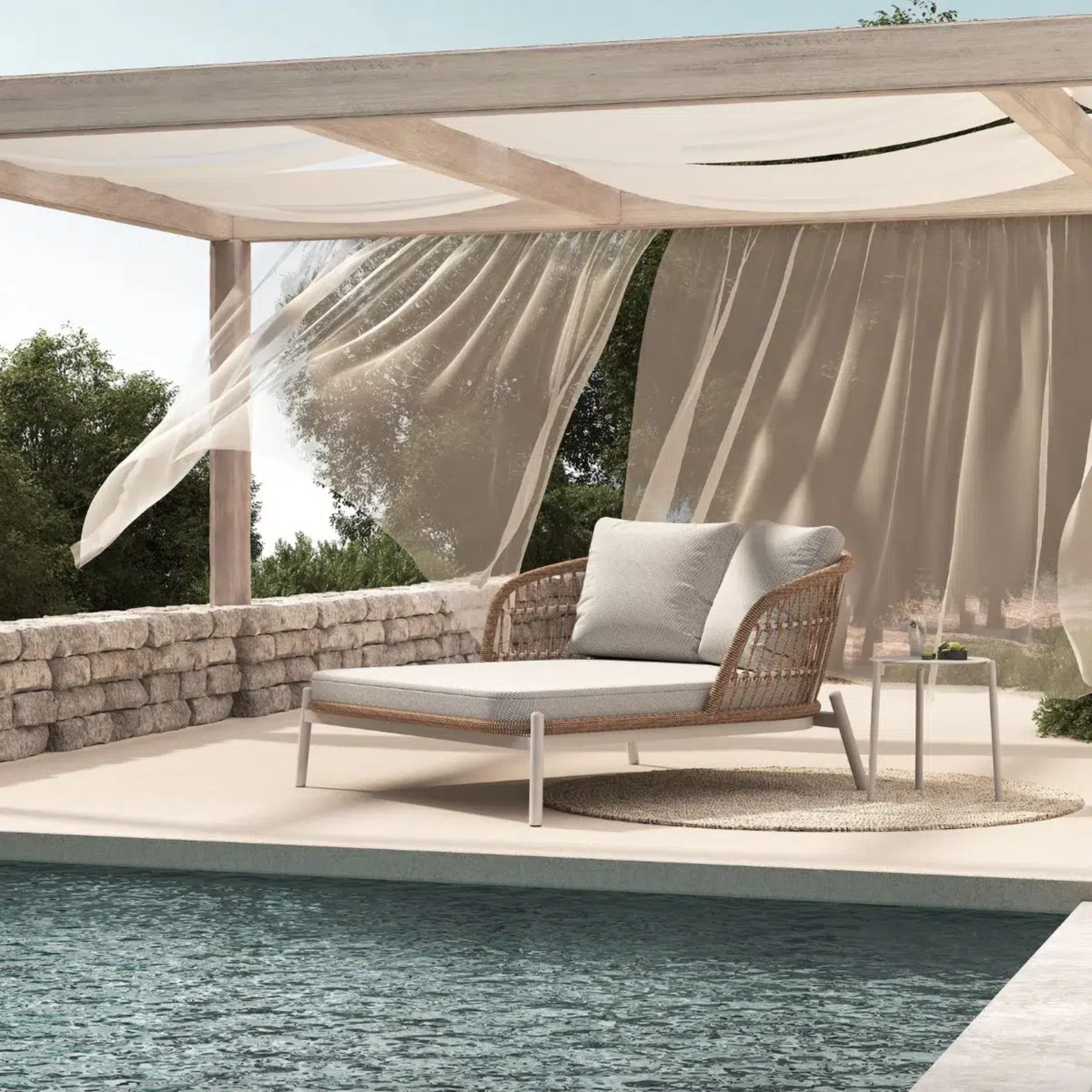
Quick Winter Prep Checklist
Work through the following:
- Clean all furniture pieces thoroughly and allow them to dry.
- Apply timber oil or sealant to all wooden surfaces.
- Inspect metal finishes for chips or scratches and touch up as needed.
- Remove, clean, dry, and store all cushions indoors.
- Cover remaining outdoor pieces with breathable, fitted furniture covers.
- Move natural wicker Indoors.
- Check stored pieces periodically for moisture build-up or pest activity.
Daydream Leisure stocks furniture covers and cleaning products suited to a range of materials. Browse accessories and care products to find what you need.
Frequently Asked Questions
How do I protect outdoor furniture from winter weather?
Clean each piece thoroughly before winter and allow it to dry completely. Apply a timber oil or sealant to wooden furniture, touch up any chips in metal finishes, and cover all pieces with breathable, waterproof furniture covers. Always store cushions and natural wicker indoors.
Can I leave my outdoor furniture outside in the winter?
It depends on the material. Powder-coated aluminium and quality synthetic wicker can generally stay outside with a good cover in place. Teak and other hardwoods can remain outside if oiled and covered. Natural wicker, and cushions should be stored indoors to prevent damage.
Can wooden furniture be left outside in winter?
Yes, if it has been properly cleaned, oiled, sealed, and covered. Untreated timber left exposed over winter could possibly warp, crack, or develop mould. A quality timber oil applied before the cold arrives makes a significant difference to how the wood holds up.
Can teak furniture be left outside in the winter?
Yes. Teak’s natural oil content gives it strong resistance to moisture and decay, making it one of the better timber choices for year-round outdoor use. Applying a fresh coat of teak oil before winter and using a breathable cover will maintain its colour and condition through the colder months.
Can you leave wicker furniture outside in the winter?
Synthetic PE wicker can be left outside with appropriate covers and care. Natural wicker cannot; it absorbs moisture and will deteriorate quickly in cold, wet conditions. If you’re unsure which type you have, check the product specifications or contact the manufacturer.
Should outdoor cushions be stored inside over winter?
Yes, always. Even weather-resistant fabrics like Sunproof will develop mildew if left damp over an extended period. Clean cushions thoroughly, allow them to dry completely in the sun, and store them in a dry indoor space for the duration of winter.
What is the best way to cover outdoor furniture for winter?
Use breathable, waterproof covers with tie-down straps or an elasticated hem for a secure fit. Breathability is important; covers that trap moisture underneath can cause as much damage as no cover at all. Check covers after heavy wind or rain and clear any debris or pooled water from the surface.
Does outdoor furniture need to be stored indoors for winter?
Not always. Quality outdoor furniture made from aluminium, teak, quality resin, or synthetic wicker can generally stay outside with covers and basic care. However, natural wicker, untreated timber and all cushions will fare much better stored indoors.
Ready for Every Season
The right outdoor furniture, well looked after, will last for many years. If you’re upgrading pieces or building a new outdoor setting, explore the full range at Daydream Leisure Furniture. Including outdoor furniture packages, outdoor tables, and wicker chairs built specifically for Australian conditions.